Wine Tasting in South Sardinia: Carignano, Vermentino, Vernaccia and the Legacy of Giacomo Tachis
South Sardinia is not only a place of wind, beaches and wild coastlines. It is also one of the most fascinating wine territories in the Mediterranean: ancient vines, sandy soils, sea salt in the air, powerful reds, mineral whites, oxidative Vernaccia, and a wine culture shaped by both tradition and vision.
For guests staying near Punta Trettu and San Giovanni Suergiu, wine tasting is one of the most rewarding experiences to add to a holiday at Villa Maestrale. Within a short drive, you can visit some of the most important wineries of the Sulcis area, taste Carignano del Sulcis from old vines, discover Vermentino with a coastal soul, and explore the deeper story of Sardinian wine.
This is a land where the sea, the wind and the soil are not just scenery. They are part of the wine.
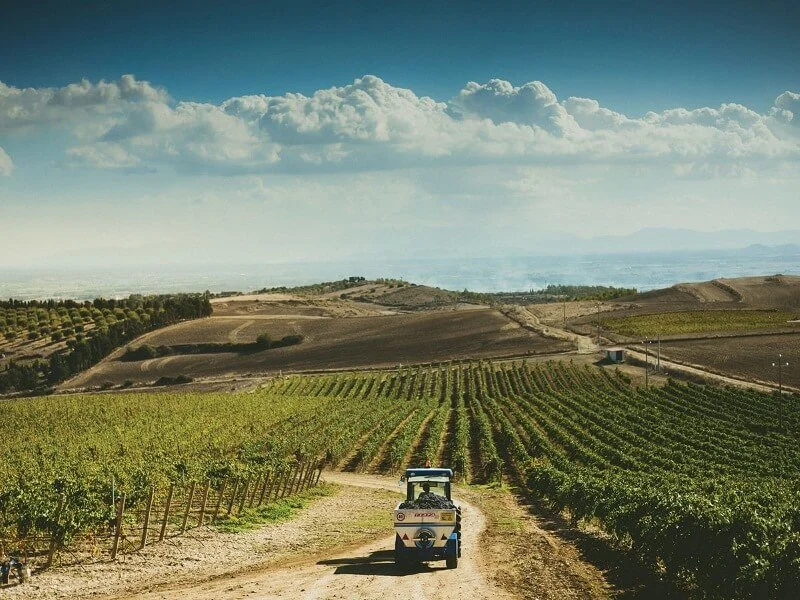
cantine Su Entu
Why South Sardinia Is a Serious Wine Destination
The Sulcis area, in the south-west of Sardinia, is one of the island’s most distinctive wine regions. Its symbolic grape is Carignano del Sulcis, a red variety capable of producing wines that are Mediterranean, intense, elegant and deeply connected to the landscape.
What makes this territory special is not only the climate. It is the combination of:
sandy coastal soils
strong sunlight
marine influence
old vines
mistral wind
low-yield vineyards
a long agricultural tradition
In parts of Sulcis, many vines are ungrafted and pre-phylloxera or planted on their own roots, something rare in Europe. Sandy soils can make it difficult for phylloxera to survive, which helps explain why areas such as Carignano del Sulcis still preserve old-vine viticulture.
This gives the wines a particular identity: ripe fruit, spice, Mediterranean herbs, structure, warmth, but also freshness and salinity.
Giacomo Tachis: From Piedmont to Tuscany to Sardinia
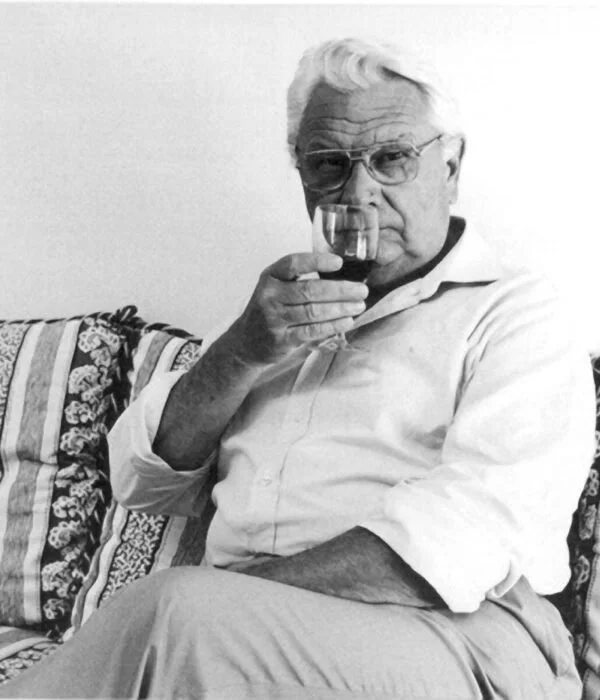
To understand modern Sardinian wine, you need to understand Giacomo Tachis.
Born in Piedmont, Tachis studied at the Oenological School of Alba and later became one of the most influential winemakers in Italy. His career with Antinori in Tuscany helped shape some of the most iconic wines in Italian history, including Sassicaia, Tignanello and Solaia. He is widely associated with the rise of the Super Tuscan movement and with the intelligent use of French barriques in Italian winemaking.
But Tachis was not only a Tuscan revolutionary. His genius was that he could see potential where others saw only rural tradition.
When he arrived in Sardinia in the early 1980s as a consultant, he understood that the island had something extraordinary: native grapes, old vineyards, intense sunlight, and terroirs capable of producing world-class wines. In Sulcis, especially through his collaboration with Cantina di Santadi, he helped reveal the potential of Carignano del Sulcis.
His work contributed to wines such as Terre Brune and Turriga, and his vision also influenced the creation of Agricola Punica, the project behind wines such as Barrua and Montessu. Agricola Punica itself states that Tachis believed Carignano in Sardinia had world-class potential.
This is the important point: Tachis did not simply “modernize” Sardinia. He helped Sardinian wine believe in itself.
Carignano del Sulcis: The Red Soul of the South-West
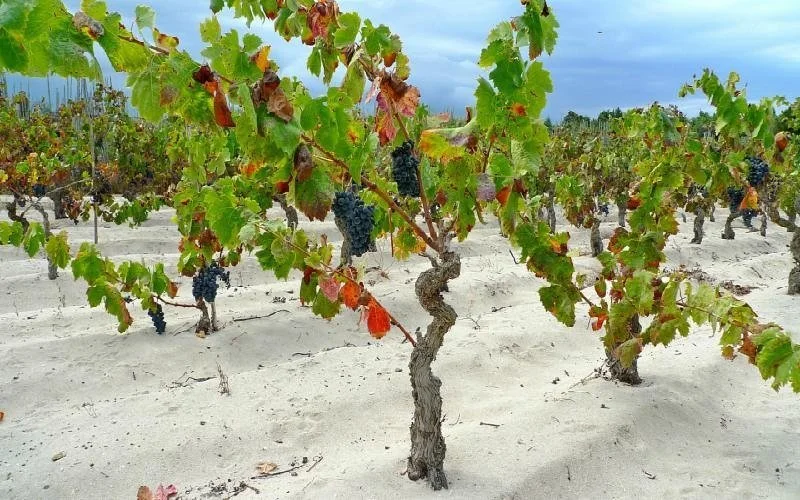
Carignano is the grape that best explains this corner of Sardinia.
In the glass, Carignano del Sulcis can be generous and deep, with dark fruit, myrtle, Mediterranean scrub, spice, leather, tobacco, and a sun-warmed character. But the best versions are not heavy. They have tension, minerality and a surprising elegance.
Around San Giovanni Suergiu, Santadi, Sant’Antioco, Calasetta and Porto Pino, Carignano feels native to the landscape. It belongs to the wind, the sand and the salt.
Important producers to explore include:
Cantina di Santadi – one of the key names in the rebirth of Carignano del Sulcis and strongly linked to the Tachis story with Terre Brune.
Agricola Punica – the project behind Barrua and Montessu, connected to the Sassicaia/Tenuta San Guido world.
Cantina Mesa – a visually striking winery near Porto Pino, known for modern, design-led Sardinian wines.
Sardus Pater – based on Sant’Antioco island, founded in 1949, deeply connected to the island’s wine identity.
Cantina di Calasetta – another historic cooperative of the Sulcis area.
Cantina Argiolas and his iconic Turriga
From Villa Maestrale / San Giovanni Suergiu, these wineries are generally easy to reach by car: Sant’Antioco is very close, Santadi is usually around 25–35 minutes, Porto Pino / Sant’Anna Arresi around 25–30 minutes, depending on the exact route and traffic. Porto Pino itself is about 20 km from San Giovanni Suergiu.
Bovale: Sardinia’s Darker, More Rustic Red
Carignano is not the only red grape worth discovering. Sardinia also has Bovale, a deeply colored, structured grape with strong local identity.
There are different forms of Bovale, including Bovale Grande and Bovale Sardo. Bovale is especially important in areas such as Mandrolisai and Campidano di Terralba, and in recent years it has moved from being seen as a blending grape to becoming a variety with its own personality.
Compared with Carignano, Bovale can feel darker, more tannic, more rustic and more earthy. It is not always the easiest wine, but when done well it has huge character.
For wine lovers staying in South Sardinia, Bovale is worth seeking out in restaurants and wine shops, especially if you want to understand the island beyond the obvious names.
Cantine Su Entu one of the best Bovale and Merlot you will find in Sardinia.
Located one hour from Villa Maestrale
Whatever it is, the way you tell your story online can make all the difference.
The Whites: Vermentino, Salt, Wind and Mediterranean Light

Sardinia is famous for red wines, but its whites can be just as expressive.
The most famous white grape is Vermentino. In Sardinia, Vermentino often carries citrus, white flowers, herbs, almond, sea breeze and a mineral edge. The island’s most prestigious white appellation is Vermentino di Gallura DOCG, the only DOCG in Sardinia, located in the north-east of the island.
But Vermentino is not only a Gallura story. In the south, it can be more Mediterranean, sometimes softer and warmer, often with a salty freshness that works beautifully with seafood.
For guests at Villa Maestrale, Vermentino is the perfect wine for:
grilled fish
bottarga
fregola with seafood
raw prawns
tuna tartare
sunset aperitivo on the rooftop
This is where the wine becomes part of the place. A cold Vermentino, a windy evening, the sea in front of you — that is South Sardinia at its best.
Famous for Vermentino in South Sardinia:
Vernaccia di Oristano: Sardinia’s Most Intellectual White Wine
If Vermentino is fresh and immediate, Vernaccia di Oristano is mysterious, ancient and almost philosophical.
Produced around Oristano and the lower Tirso Valley, Vernaccia di Oristano is one of Sardinia’s most distinctive wines. It is usually amber, oxidative, nutty, salty, complex, and often compared stylistically to Sherry, although traditional Vernaccia di Oristano is not the same thing. It ages in partially filled barrels under a natural veil of yeast, creating a unique biological-aging character.
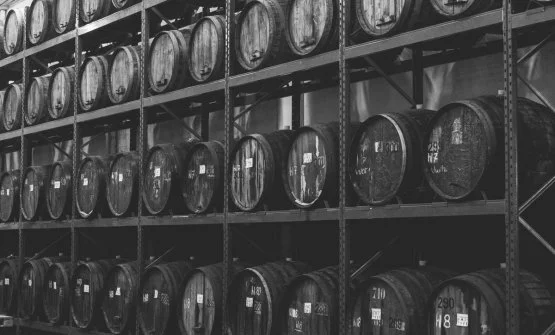
This is not a casual beach wine. It is a wine for people who want depth.
It can show notes of:
almond
dried fruit
chestnut honey
sea salt
citrus peel
toasted nuts
herbs
umami
Important producers include Contini in Cabras and Silvio Cartain the Oristano area. Silvio Carta began with Vernaccia di Oristano in the 1950s and still presents it as one of the great traditional expressions of Sardinian wine.
From Punta Trettu / San Giovanni Suergiu to Cabras or Oristano, plan a longer day trip: roughly 2 hours by car each way, depending on route and traffic. It pairs beautifully with a visit to Cabras, the Sinis peninsula, bottarga producers, archaeological sites and the western coast.
Sweet and Passito Wines: The Forgotten Luxury of Sardinia
Sardinia also has a strong tradition of sweet and meditation wines.
Around Cagliari and southern Sardinia, you find historic dessert-wine traditions such as Nasco di Cagliari, Moscato di Cagliari and Malvasia di Cagliari. These wines can be aromatic, golden, intense and excellent with pastries, aged cheeses, almond desserts or quiet end-of-dinner moments.
They are not as internationally famous as Vermentino or Carignano, but they are part of the island’s identity. For a luxury villa experience, this is exactly the kind of detail that makes a dinner feel local rather than generic.
A perfect final pairing at Villa Maestrale could be:
Sardinian almond sweets
aged pecorino
honey
dried figs
a glass of Nasco, Moscato, Malvasia or Vernaccia
Simple. Local. Elegant.
Were to Taste it:

Cantine Mesa
How to Organize a Wine Tasting Day from Villa Maestrale
The best way to explore wine in South Sardinia is by car, with a planned route and advance booking. Many wineries require reservations for tastings, especially in high season.
Option 1: The Sulcis Red Wine Route
Ideal for guests who want Carignano, history and strong Sardinian reds.
Suggested route:
Villa Maestrale → Santadi → Agricola Punica / local Carignano area → Porto Pino → sunset back at the Villa Maestrale
This is the best route for guests interested in Tachis, Carignano del Sulcis, Terre Brune, Barrua, old vines and powerful reds.
Option 2: Sant’Antioco and Coastal Wines
Ideal for a lighter, scenic day.
Suggested route:
Villa Maestrale → Sant’Antioco → Sardus Pater → Calasetta → coastal lunch → return
This combines wine, island atmosphere, seafood and a relaxed pace.
Option 3: Porto Pino and Cantina Mesa
Ideal for design, landscape and a modern tasting experience.
Suggested route:
Villa Maestrale → Cantina Mesa → Porto Pino dunes → seafood lunch → Villa Maestrale Sunset rooftop aperitivo
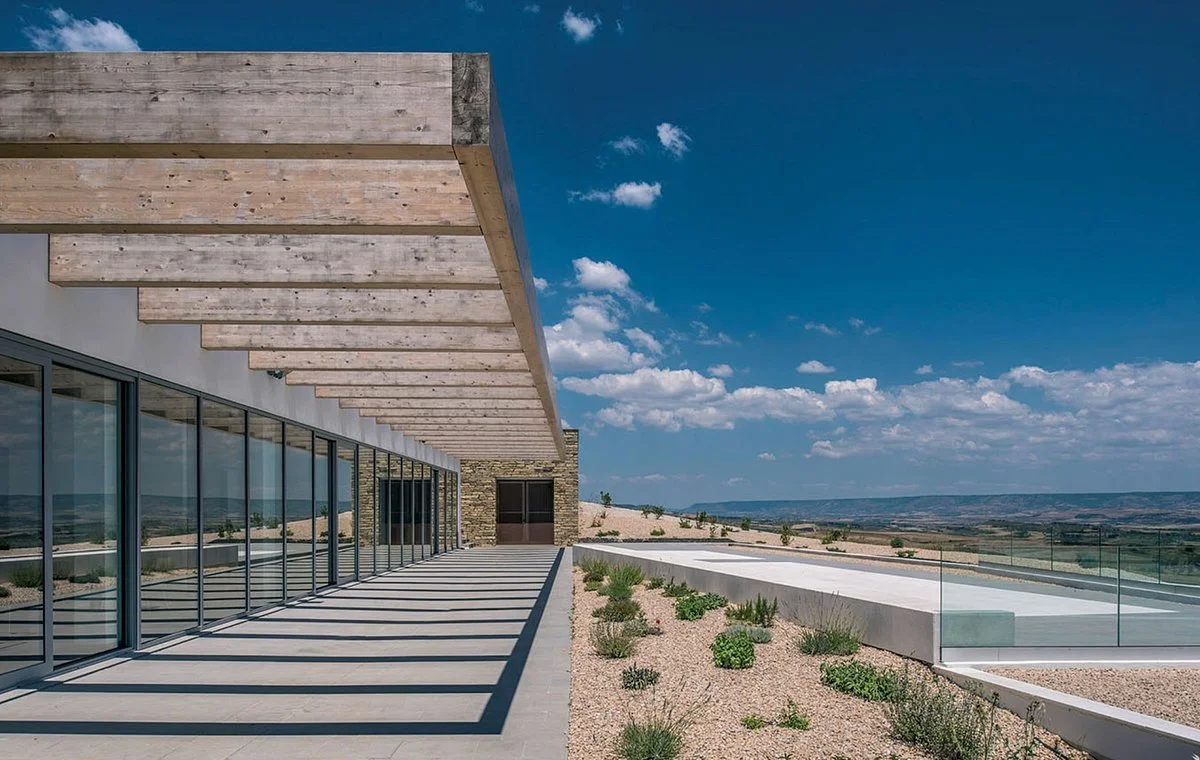
Cantina Mesa is particularly interesting because of its architecture and location above the Porto Pino landscape.
Option 4: Vernaccia and Oristano Day Trip
Ideal for serious wine lovers.
Suggested route:
Villa Maestrale → Cabras / Oristano → Contini or Silvio Carta → Sinis Peninsula → seafood and bottarga → return
This is a full-day trip, but it reveals a completely different Sardinia.
Why Wine Tasting Works So Well from Villa Maestrale
Villa Maestrale is not located in a generic resort area. It sits in one of the most authentic corners of South Sardinia, close to Punta Trettu, Sant’Antioco, Porto Pino, Sulcis wineries and the Carignano landscape.
That makes it ideal for travellers who want more than just a beach holiday.
From here, guests can combine:
kitesurfing in Punta Trettu
wine tasting in Sulcis
seafood in Sant’Antioco or Carloforte
Porto Pino dunes
sunset dinners at the villa
private chef experiences
slow days around the pool
rooftop aperitivo with local bottles
This is the real luxury of South Sardinia: not showing off, but having space, silence, nature and access to authentic experiences.
Sardinia Is Not Just an Island. It Is a Wine Continent
Sardinian wine cannot be reduced to one grape or one style. It has the power of Carignano, the warmth of Cannonau, the darkness of Bovale, the brightness of Vermentino, the mystery of Vernaccia di Oristano, and the sweetness of old passito traditions.
And in the story of modern Sardinian wine, Giacomo Tachis remains a key figure: the man who helped Italy rethink quality, who shaped the Super Tuscan revolution, and who saw in Sardinia not a peripheral island, but one of the great wine territories of the Mediterranean.
For guests staying at Villa Maestrale, wine tasting is not just an excursion. It is a way to understand the land.